In recent years, the agricultural community has faced mounting pressure to embrace sustainable practices that promote environmental health, reduce carbon foot prints, and ensure meals security for future generations. Among typically the various crops that will have emerged since beneficial in this particular regard, hemp stands out due in order to its versatility, hardiness, and eco-friendly features. This article explores the role involving hemp seeds throughout sustainable agriculture, especially focusing on their own benefits to ground health, crop rotator practices, and the capability to reduce the particular dependence on chemical manures.
Understanding Hemp: Some sort of Brief Review
Hemp, a variety associated with the Cannabis sativa plant, has been cultivated for thousands of years for its fibers, seeds, and oil. Unlike its psychoactive version, marijuana, hemp contains minimal amounts of tetrahydrocannabinol (THC), making it suitable for several industrial applications with out the associated legitimate complications. The seed of the hemp plant are nutrient-dense, offering a wealthy supply of protein, healthy fats, and essential nutritional supplements. Their possible goes beyond nutrition; hemp cultivation can perform a significant role on advancing sustainable gardening practices.
Soil Wellness: The Foundation of Eco friendly Cultivation
Soil wellness is paramount to be able to sustainable agriculture. Wholesome soils not just provide the necessary nutrients for flower growth but furthermore lead to water retention, erosion control, in addition to the overall strength of the environment. Hemp cultivation efficiently influences soil well being in a number of ways:
one. Soil Structure Development
Hemp has some sort of deep taproot method that penetrates the soil, promoting aeration and improving soil structure. This full rooting allows for improved water infiltration and retention, reducing surface area runoff and dirt erosion. Additionally, the particular fibrous root program helps to hole the soil allergens together, creating the more stable structure conducive to flower growth.
2. Nutritional Riding a bike
As hemp grows, it absorbs a wide range of nutrients coming from the soil, including nitrogen, phosphorus, in addition to potassium. When hemp is harvested, the remaining plant content can be remaining during a call as natural manure. This exercise not simply adds organic and natural matter back into the soil nevertheless also enhances chemical cycling. The decomposition of leftover biomass enriches the soil, making it a lot more fertile for succeeding crops.
3. Dirt Remediation
Hemp will be known for the phytoremediation properties, meaning that can help detox contaminated soils. Hemp plants can soak up heavy metals in addition to other pollutants, efficiently cleaning the dirt and which makes it safer for future plant life. This capability to regain degraded land will be crucial in locations affected by commercial pollution or excessive chemical use inside of agriculture.
Crop Revolving: A Key Technique for Sustainable Farming
Plant rotation is an essential practice in sustainable agriculture of which involves alternating various crops within a special field after some time. This specific method helps to maintain soil fertility, disrupt pest process, and reduce the chance of diseases. Hemp plays a valuable role in plants rotation for the particular following reasons:
one particular. Pest and Condition Management
By incorporating hemp into a harvest rotation plan, maqui berry farmers can break the lifecycle of infestations and diseases of which thrive on specific crops. Hemp’s distinctive growth cycle plus resistance to selected pests can decrease the prevalence involving crop-specific diseases, major to healthier career fields and higher makes.
2. Diversity and Resilience
Planting a diverse range of crops, including hemp, increases biodiversity on facilities. Biodiversity enhances ecosystem resilience, allowing the particular agricultural system in order to better withstand intensive weather events and pest outbreaks. A new varied crop rotator also promotes the more balanced chemical profile in the soil, reducing reliance on synthetic fertilizers.
3. Improved Garden soil Fertility
Hemp is a nitrogen-fixing flower, which means it can contribute to soil fertility by boosting nitrogen levels in the soil. When incorporated in to a plant rotation system, hemp can naturally replenish soil nutrients, reducing the need for chemical fertilizers. This particular not only cracks costs for maqui berry farmers but also minimizes environmentally friendly impacts connected with synthetic fertilizer use, for instance drinking water pollution and soil degradation.
Reducing Chemical substance Fertilizer Dependency
Typically the excessive use regarding chemical fertilizers offers detrimental effects upon the environment, which includes soil degradation, waterway pollution, along with the loss of biodiversity. Hemp cultivation offers many avenues for lessening reliance on these kinds of synthetic inputs:
just one. Natural Fertilizer Alternatives
Hemp plants are known for their ability in order to thrive in less-than-ideal soil conditions, necessitating fewer chemical fertilizers when compared with traditional crops. The organic subject generated from hemp crops can become composted and employed as an all-natural fertilizer, enriching the particular soil without the particular gloomy effects connected with chemicals.
2. Carbon Sequestration
Hemp is recognized regarding its ability in order to sequester carbon from the atmosphere, so that it is an important participant inside the fight against climate change. Typically the cultivation of hemp can result throughout a net decrease of greenhouse smells, that is beneficial for sustainable agriculture. Simply by absorbing CO2 during photosynthesis and storing it in biomass and soil, hemp contributes to a healthier environment.
a few. Reduction of Soil Erosion
Hemp’s solid root system not merely improves soil shape but also decreases soil erosion, especially on sloped royaume. Erosion often qualified prospects to losing top soil, which is rich in nutrients. By avoiding erosion, hemp fostering helps maintain garden soil fertility, reducing the need for additional fertilization.
Monetary Benefits of Hemp in Sustainable Agriculture
In addition to its ecological benefits, hemp cultivation can also provide economic advantages for farmers:
a single. Diversified Income Resources
Hemp offers various market opportunities, through food products to be able to textiles and setting up materials. Farmers can diversify their earnings streams by creating hemp alongside standard crops, reducing financial risks associated with market fluctuations.
2. Lower Input Costs
By reducing the particular need for substance fertilizers and insect sprays, hemp can lower the overall suggestions costs for farmers. This can result in higher profit margins in addition to more sustainable producing practices that benefit both the environment along with the economy.
3 or more. Job Creation and Rural Development
Typically the growth of the hemp industry can result in job creation in rural areas, from producing to processing and even manufacturing. As demand for hemp goods increases, so will the need for experienced labor, contributing to be able to the overall economic development of these communities.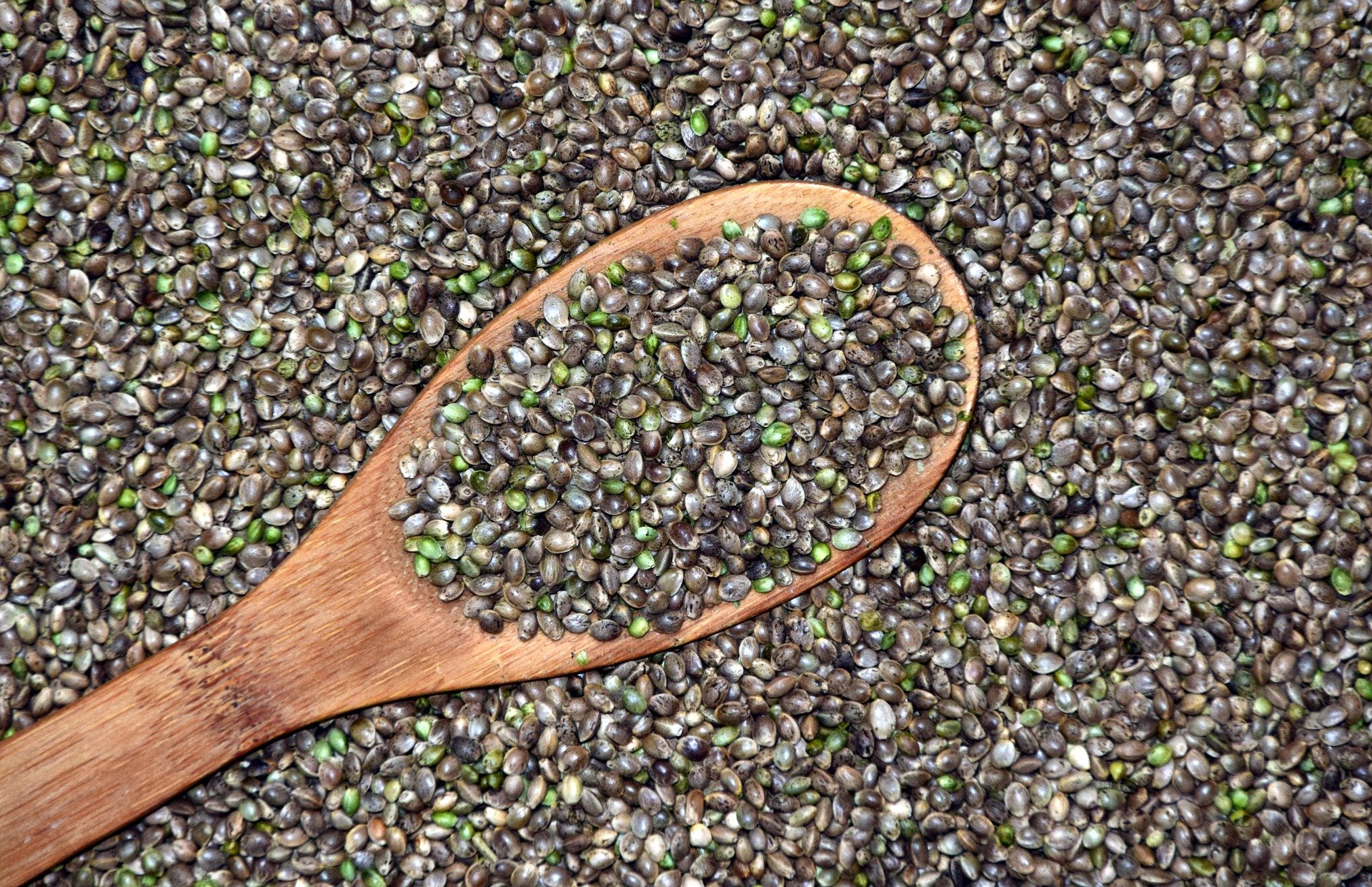
Challenges and even Things to consider
Despite typically the numerous great things about hemp cultivation, several challenges must be addressed to maximize the potential in environmentally friendly agriculture:
1. Corporate Difficulties
The lawful status of hemp varies widely throughout different regions, impacting its cultivation in addition to commercialization. Clear in addition to supportive regulations are usually crucial for encouraging farmers to consider hemp as an eco friendly crop.
2. Industry Development
While the demand for hemp goods keeps growing, the marketplace is still establishing. Farmers need use of information about market trends, processing services, and distribution stations to totally capitalize about hemp’s economic prospective.
3. Education and Education
Farmers may require training about best practices with regard to hemp cultivation as well as role in sustainable agriculture. Education programs can help farmers be familiar with ecological rewards of hemp plus how to integrate it into their own farming systems efficiently.
Conclusion
The part of hemp seed products in sustainable culture cannot be over-stated. As farmers face increasing pressures to consider environmentally friendly techniques, hemp offers some sort of multifaceted solution of which benefits soil health, enhances crop rotator strategies, and reduces the reliance upon chemical fertilizers. Simply by promoting biodiversity, bettering soil fertility, and sequestering carbon, hemp cultivation plays a part in a new more sustainable in addition to resilient agricultural panorama.
As the consciousness of hemp’s possible grows, it is essential for farmers, policymakers, plus consumers to supporter for and help its integration in to sustainable agricultural procedures. By embracing find this as a key player in the particular future of gardening, we can work towards a more environmentally friendly and eco-friendly gardening system that rewards both planet and its inhabitants.
CONVENIENT ONLINE HYPNOTHERAPY SESSIONS | Free 20-Minute Consultation (970) 568-6704 | consultation@virtualhypnotherapist.com

Recent Comments